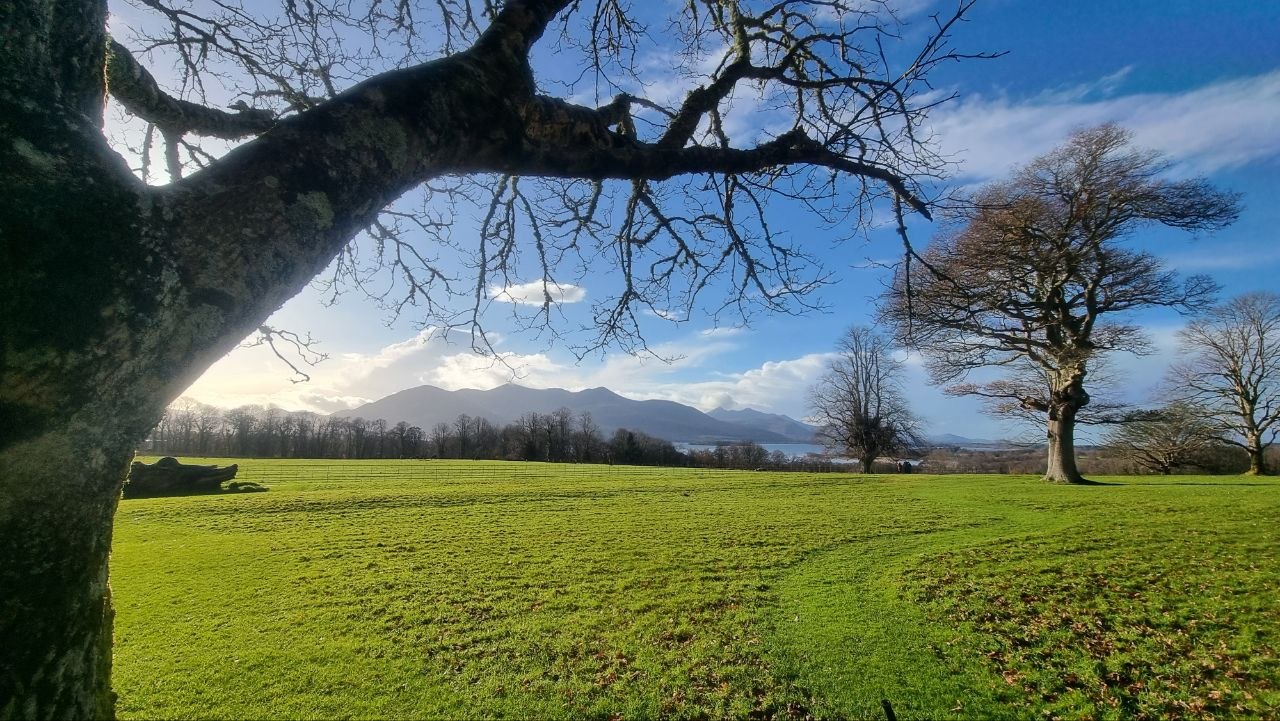
Killarney National Park is one of the great wild places of Ireland — and the fact that it begins at the edge of a busy tourist town makes it all the more extraordinary. Within ten minutes of walking from the town centre you can be deep in ancient oak woodland, with red deer grazing on the hillside and white-tailed eagles riding thermals above the lake.
Killarney National Park — at a glance
- Size 26,000 acres (10,500 hectares)
- Established 1932 — Ireland's first national park
- UNESCO status Biosphere Reserve since 1981
- Lakes Lough Leane, Muckross Lake, Upper Lake
- Highest point Carrauntoohil, 1,038m
- Entry Free — open year round
Ireland's first national park
The park was established in 1932 when the Muckross Estate was gifted to the Irish state — making it the first national park in Ireland. In 1981 it became Ireland's first UNESCO Biosphere Reserve, recognising the exceptional quality of its ecosystems. Today it covers over 26,000 acres and encompasses three lakes, Ireland's only native red deer herd, ancient oak and yew woodland, and the full sweep of the MacGillycuddy's Reeks mountain range.
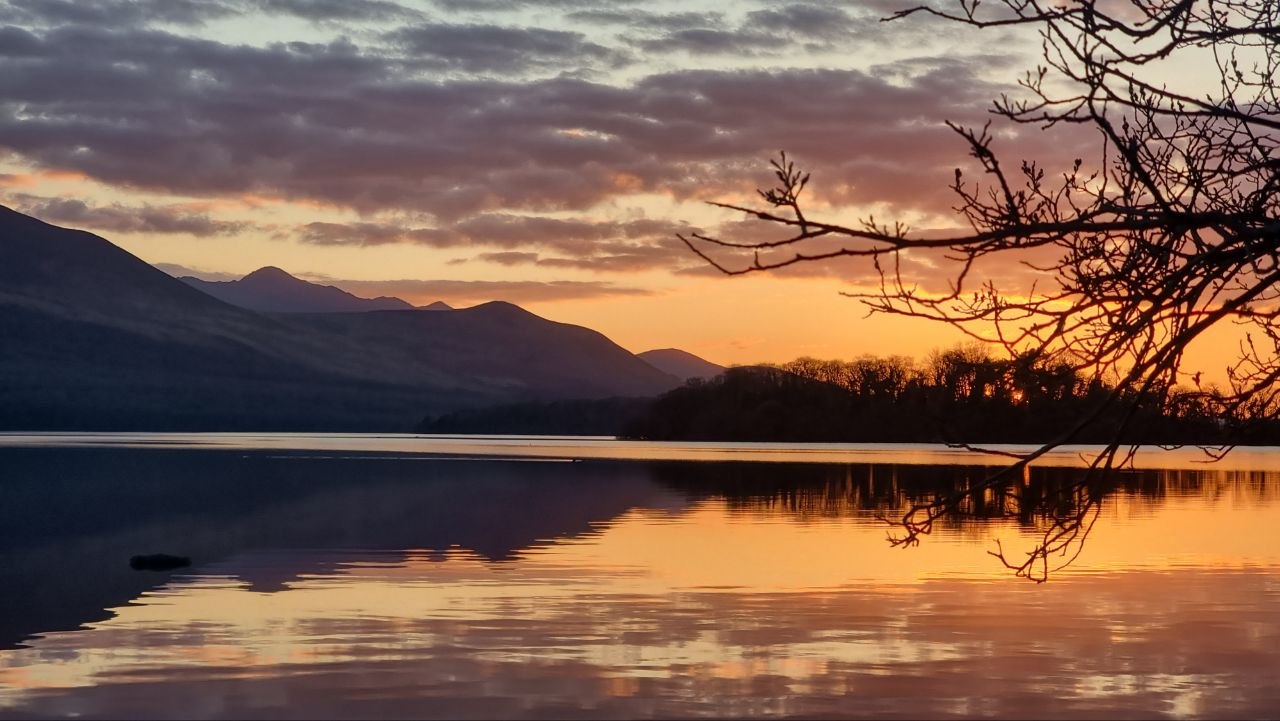
The three lakes
Three glacially carved lakes sit at the heart of the park. Lough Leane is the largest — covering over 4,000 acres — and the most visible from the town. Muckross Lake lies to the south, connected to Lough Leane by a narrow channel at Brickeen Bridge. The Upper Lake is the most remote and arguably the most beautiful, surrounded on three sides by mountains and accessible via the Old Kenmare Road or by boat.
The lakes are connected by rivers and channels that make up one of the richest freshwater ecosystems in Ireland. Brown trout, salmon and arctic char have been in these waters since the last ice age.
The park begins at the edge of the town — within ten minutes on foot you can be in ancient woodland with deer on the hillside above you.
Ancient woodland
Much of the park is covered in native oak woodland — one of the last surviving examples of ancient Irish forest. Before human settlement, oak woodland covered most of Ireland. Today, Killarney is one of the few places where it survives at scale, and the quality of what remains is exceptional. The woodland floor is thick with mosses, ferns and lichens that thrive in the mild, damp Kerry climate.
On the shores of Muckross Lake sits Reenadinna Yew Wood — one of only three pure yew woodlands in Europe. The yew trees here are ancient and the atmosphere genuinely otherworldly, particularly in winter when the canopy closes out the sky.
Wildlife
The park is home to Ireland's only remaining wild herd of native red deer — around 700 animals that have lived in these mountains continuously since the last ice age. They are most visible in the early morning on the lower hillsides, particularly around Torc and Muckross. In autumn, the rutting season brings stags bellowing across the valley — one of the great wildlife spectacles in Ireland.
White-tailed eagles were reintroduced to the park in 2007 after an absence of over a century. They have established a breeding population and are now regularly seen over the lakes — with a wingspan of up to 2.5 metres they are unmistakable in the air. Otters, pine martens, red squirrels and kingfishers are all present in the park, though less commonly seen.
Practical information
Entry
Free — the park is open to the public year round, 24 hours a day
Getting There
Main entrance at Muckross Road, 3km from Killarney town centre. Walkable or cycleable from town
By Foot
Multiple waymarked trails from 1km to full day routes. Torc Waterfall trail is the most popular short walk
By Bike
Bike hire available in Killarney town. The park roads are car-free in most areas — ideal for cycling
By Jaunting Car
Traditional horse-drawn tours depart from Kenmare Place in town and from Muckross House
By Boat
Boat trips on the lakes depart from Ross Castle — the best way to reach the Upper Lake and Innisfallen Island
Explore further
The National Park contains many of Killarney's most important natural and historical attractions — each worth a dedicated visit.